Hello, how are you all? It’s been quite a while since our last edition, and I believe some of the records on the list are no longer so lost, with their artists back in full swing. Let’s recap and see what’s happened since then.
Four months after our article, Fausto Fawcett gifted us with the album Favelost (something like lost favela/slum), the soundtrack to his book of the same name. Previously only available on a promotional website, we finally have this incredible work available on digital platforms as well. Additionally, Fausto has been making various appearances at São Paulo venues, with several shows, special guest spots, and autograph sessions. It’s always good to keep an eye on social media to see when the next event will be.
Meanwhile, MopTop announced their return with a show at Augusta Hi-Fi on July 12th (2025), with a fresh new album that was initially going to be called Ghosts but ultimately ended up being titled Long Day.
I hope it becomes a tradition to have news of incredible artists after a capsule edition.
To accompany this edition, we will have, in a second moment, exclusive interviews with two artists from the list: Ana Carolina Fontoura (shadoW) and the band Two Witches. I want to immensely thank Ana for being so welcoming to us and willing to share a bit of her work and the ideas behind the project. I also want to thank Jyrki Witch from Two Witches, who so readily agreed to participate along with Miss Blueberry and Marko Hautamäki, sharing incredible behind-the-scenes stories from the release of the album we’ll be discussing in this edition, with an incredible amount of detail, as well as answering our questions.
Did you enjoy this edition? Don’t forget to support the artists by following them on social media, going to their shows, and buying and listening to their music.
David Sylvian – Secrets of the Beehive (1987)
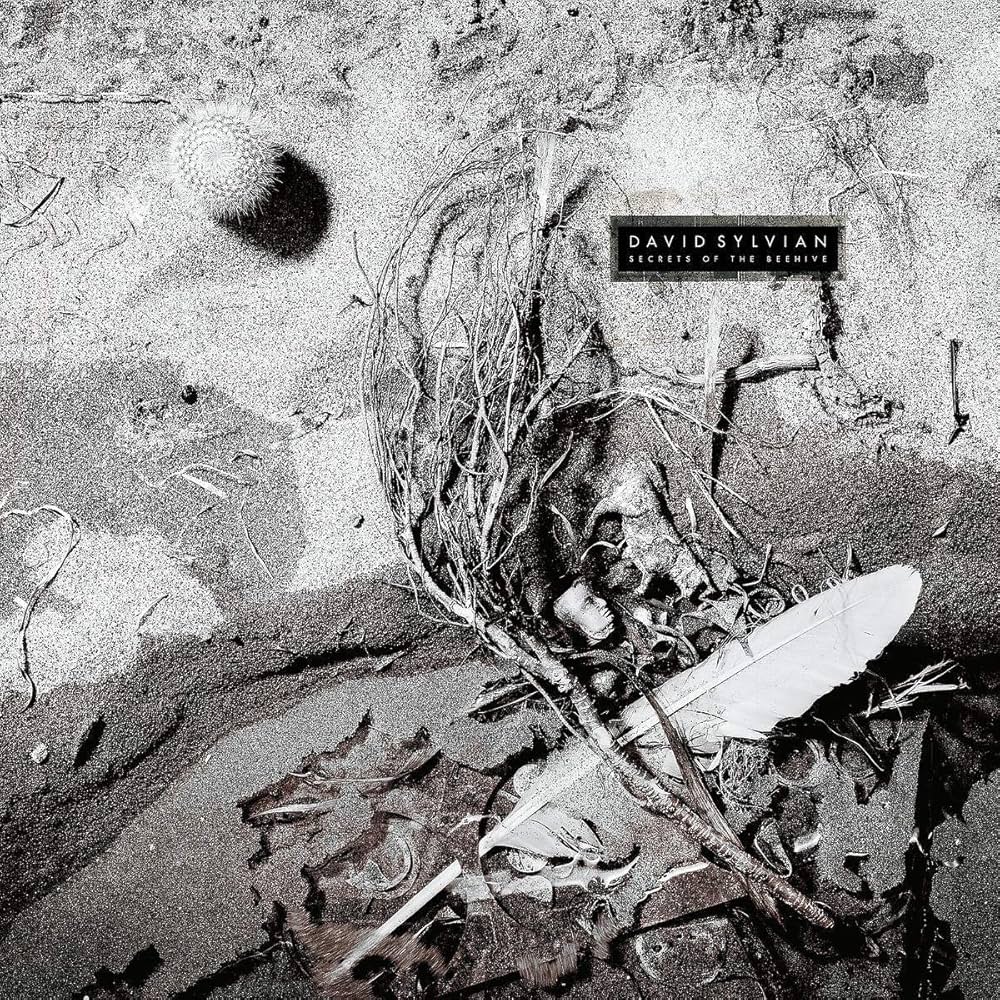
David Sylvian is an English musician and composer who became well known in the ’70s for being part of the new romantics movement with the new wave band Japan.
In 1987, David Sylvian released his third solo album, Secrets of the Beehive, full of poetry and existentialism. Sylvian’s voice hovers between instrumentation filled with orchestras, trumpets, heavy percussion, synthesizers, from rock to jazz, which don’t make the record anachronistic, much less dated, but still reflect a bit of the sound of its time.
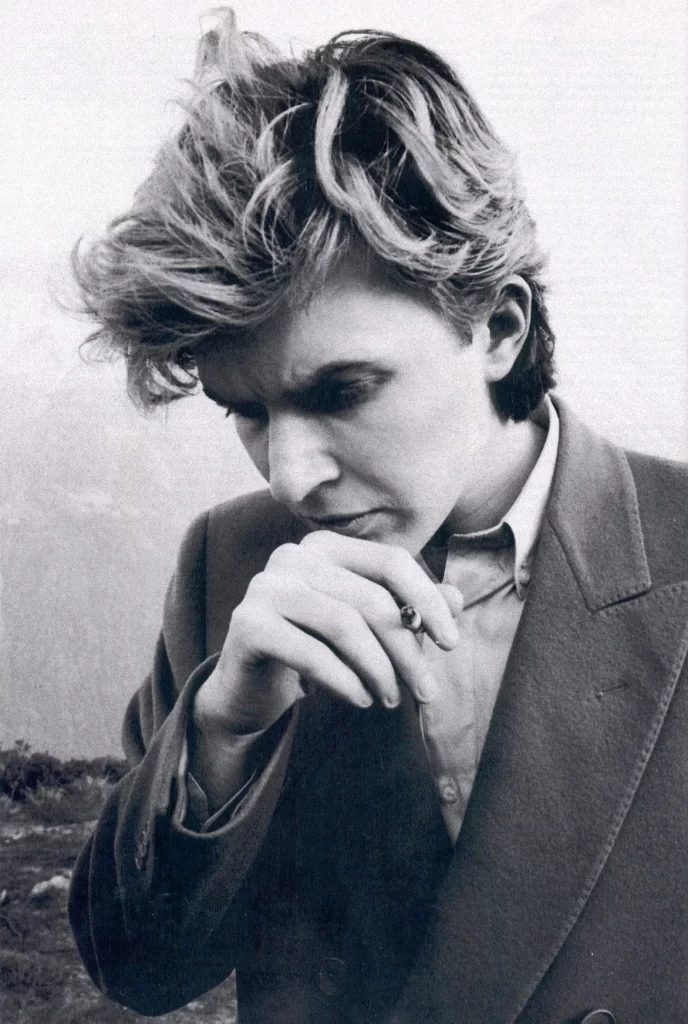
Aging like a fine wine after nearly 40 years since its release, full of nuances and secrets that unfold with each listen, even today, after listening to it for so long, I still find myself discovering a new track and repeating it over and over again. (Currently I’m stuck on Let The Happiness In).
A melancholic, sophisticated album that demands something from the listener but gives back so much, it continues to be a classic and it surprises me how little it’s mentioned.
Two Witches – The Vampire’s Kiss (1993)
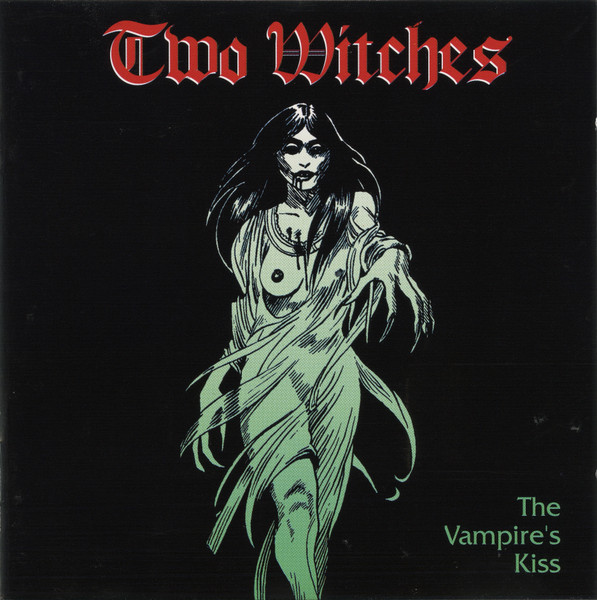
I remember coming back from school still in middle school, many years ago, when I still had hair and was emulating Robert Smith with my messy, windswept hair over my face, while playing Disintegration on my headphones and thinking that was the ultimate in “gothic rock”. To this day I still love The Cure and the band certainly has its value within the scene, but after walking a few more blocks, a high school girl, Bruna (if you’re reading this, I’m so grateful for the bands you introduced me to back then), stops me on the street and starts talking to me as if she’d known me for years. We became friends right away, and a few days later she would send me a zip file, still on the late MSN, of an incredible album by a band unknown to me until then: Two Witches and their The Vampire’s Kiss.
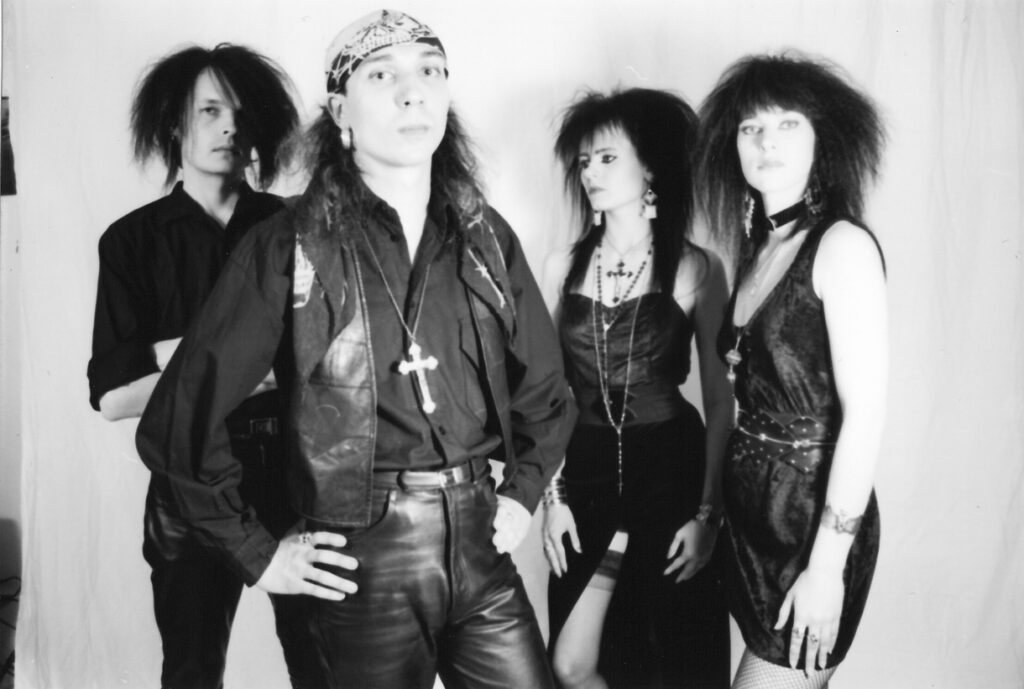
The Finnish band was originally created by vocalist and composer Jyrki Witch and singer, songwriter and keyboardist Anne Nurmi, who shortly after the album’s release left the band to join Lacrimosa.
Two Witches’ lyrics address themes like vampirism, psychological horror, fear and sexuality.
With a rawer, grittier and less commercial sound than bands like Sisters of Mercy (which I love), but a bit more palatable than Poésie Noire, for example, Two Witches brings a distinctive and unique tone to the genre, and this ’93 record certainly deserves a prominent place, alternating between Jyrki’s vocals and vocal passages from Anne and Nauku (second backing vocalist who would leave the band a few years later) with elements of darkwave and punk.
In the underground, the band continues active to this day, releasing albums and focusing more on live performances. They even recorded a live album in São Paulo from the show they did here in 2019, released in 2020 by the Brazilian label Deepland Records, called Deepland (Live In São Paulo – Brazil).
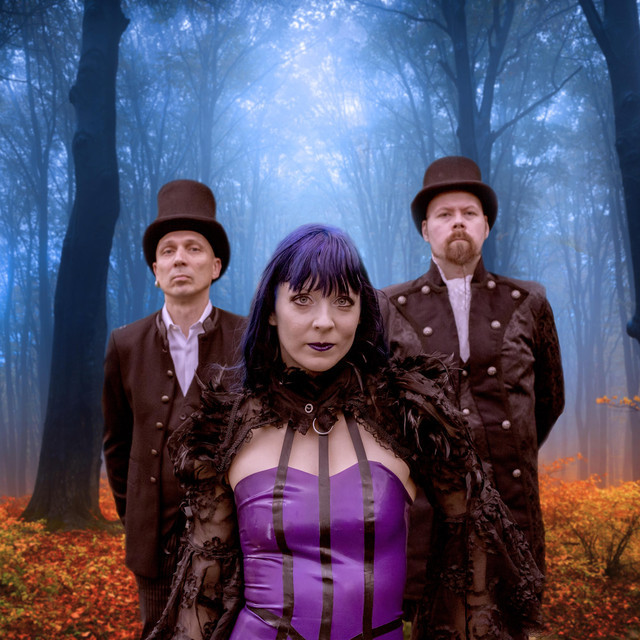
The band was super receptive and talked to us about the album and its impact over the years, as well as sharing some interesting behind-the-scenes stories. We’ll be publishing it soon, stay tuned.
Shadow – It only hurts when we stop laughing (2012)
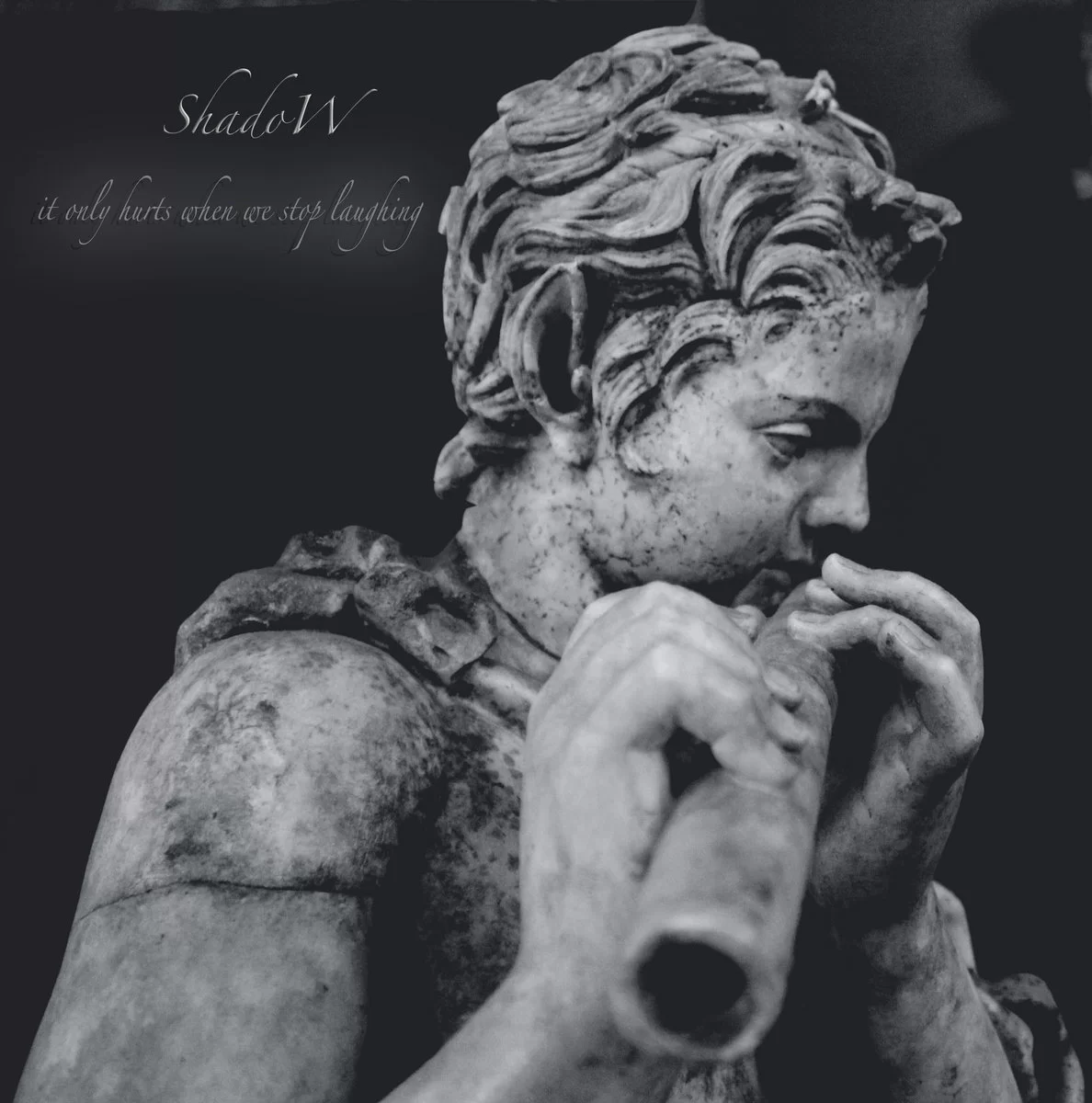
Shadow is a one woman band, a solo project by a single person responsible for playing all the instruments you hear on the recording. Created by Ana Carolina Fontoura, the Portuguese-Brazilian known as Shadow, she released on January 1st, 2012 what I consider her most visceral and resonant work to date. Throughout six raw and hypnotic tracks, we’re taken into the deepest depths of a mysterious, reserved singer who is nonetheless full of intense feelings and thoughts to share with the world.
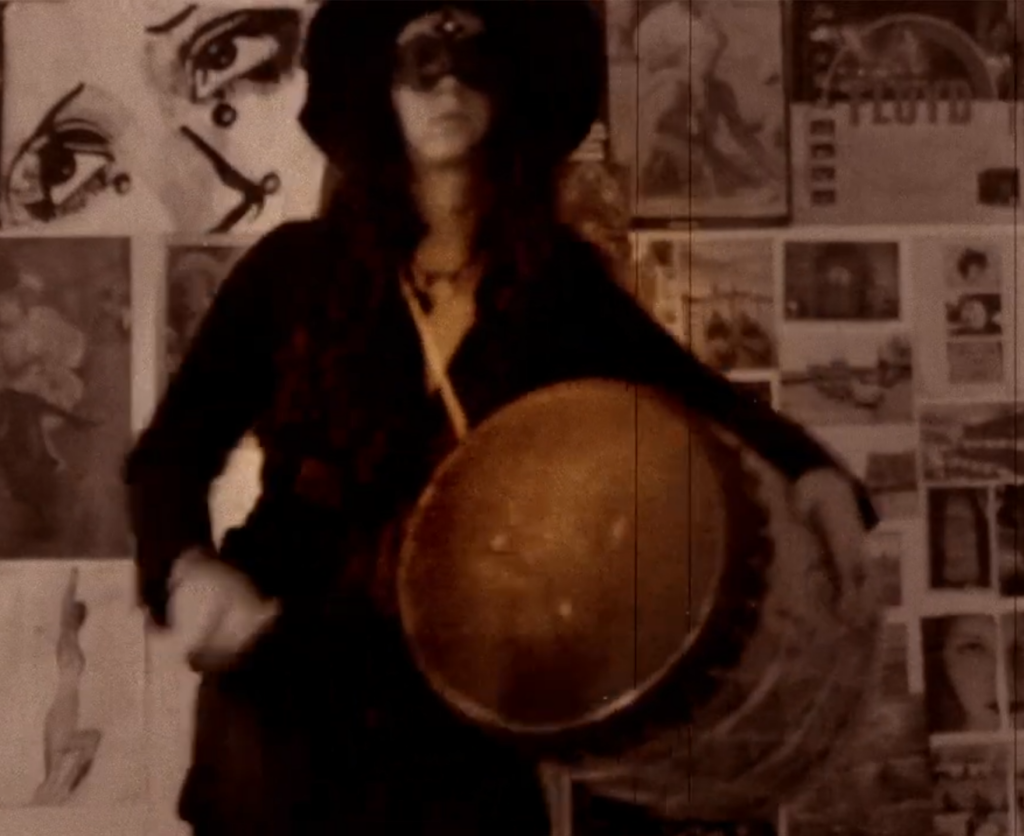
The EP, “It Only Hurts When We Stop Laughing”, features lyrics in Portuguese and others in English, all independently produced in her bedroom, with tones of post-black metal, depressive rock and some mixtures that nowadays remind me a lot of what the band Germ did almost two years later, at the very end of 2013, with “Grief”. Anyone who also likes bands like Alcest or Amesoeurs definitely needs to listen to this.
Devil Doll – Dies Irae (1996)
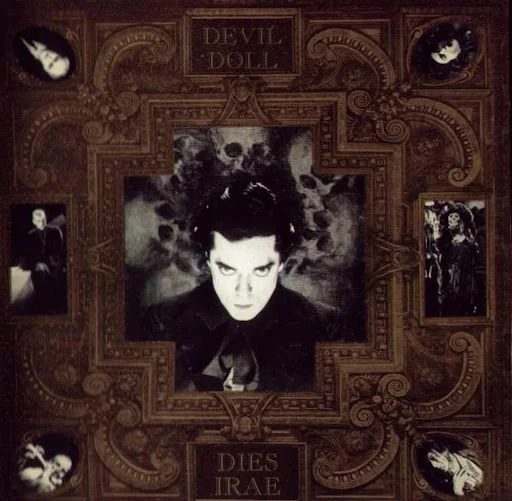
Devil Doll is a project created by the Italian-Slovenian Mr. Doctor (Mario Panciera) and the album “Dies Irae” is a grand opera composed of acts. Every time I listened to this album, it came unified as a single audio track. But from what I’ve learned, the physical edition contains separations into “parts”, totaling 18 parts and an extra hidden one at the end of the eighteenth.
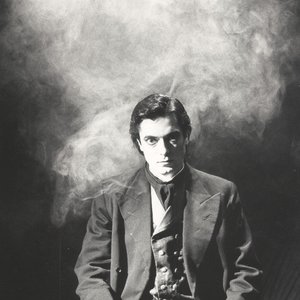
“Dies Irae” is a gothic opera, with elements of progressive rock, orchestra, darkwave, metal and something I love: monologues. The album, like the Devil Doll project itself, is surrounded by mysticism, mysteries and legends. According to some sources, during the recording of the album there was a fire at the studio and all copies of the record were lost, which made Mr. Doctor, the mysterious creator of the project, restart the entire recording from complete scratch. Therefore, the version we have available is already an alternate version of what the album once was.
Some passages on this album remind me a lot of Nina Hagen, Sopor Aeternus and even Switchblade Symphony.
The record we’re talking about here is the band’s last studio album, but in an interview for Burnn Magazine in 2008, Mr. Doctor mentioned that he has material ready from the Devil Doll Project, but that he doesn’t plan to release it anytime soon and that he had lost interest in music production altogether.
It’s very impactful and cinematic to listen to this album, it’s very deep and full of nuances, like a classic of expressionist cinema, the scenes form part after part as you remain in the spectacle.
The lyrics, all very poetic, transcend the music, with inspirations ranging from Edgar Allan Poe, Emily Brontë to Emily Dickinson, and also features the incredible Croatian soprano Norina Rodavan.